Part 2 of 4 · How to Relieve Knee Pain
If you are dealing with chronic knee pain, this is the first practical step, and for a lot of people it is the one that brings the fastest relief.
Your knee is surrounded by joints and ligaments, and chronic pain there is driven by inflammation in them. Before you stretch anything or try to build strength, the inflammation needs to come down.
What we are doing, and why it works
The tool is self-myofascial release, which is a long name for using a foam roller to release pressure in muscle tissue. We use it to inhibit the overactive muscles around the knee.
Rolling the thigh and the calf releases the tension feeding your knee, and that is what makes the next phase, stretching, actually work. Trying to stretch first is the mistake most people make.
Calm it down first. Then lengthen it. Then strengthen it. In that order.
The four rolls
Calf roll
- Sit on the floor with your legs extended and place the foam roller under your calves.
- Cross one leg over the other and hold yourself up with your hands by your sides.
- Keeping steady pressure, find the most tender part of the calf and stay there.
- Three times for one minute, with thirty seconds between to rest your arms.
Adductor roll
- Lie on the floor in a plank position and rotate one knee out, placing the roller on the inside of the thigh.
- Keeping steady pressure, find the most tender part of the inner thigh.
- Three times for one minute, with thirty seconds rest between.
Abductor roll
- Lie on your side in a side plank with the outer thigh on the roller.
- Plant the opposite foot on the ground to support yourself.
- Keeping steady pressure, find the most tender part of the outer thigh.
- Three times for one minute, with thirty seconds rest between.
Hamstring roll
- Sit on top of the roller so it sits under your hamstrings.
- Hands on the ground to hold yourself up.
- Keeping steady pressure, find the most tender part of the hamstring.
- Three times for one minute, with thirty seconds between to rest your arms.
A note on what this should feel like
Tender is expected. Sharp pain in the joint itself is not, and if you get that, come off it and move somewhere else on the muscle. You are working the tissue around the knee, not the knee.
Do these daily, ideally in the evening. book a free discovery call if you would rather have someone check your positions.
This is part 2 of four. Part three is stretching, now that the tissue is ready for it.
Written by
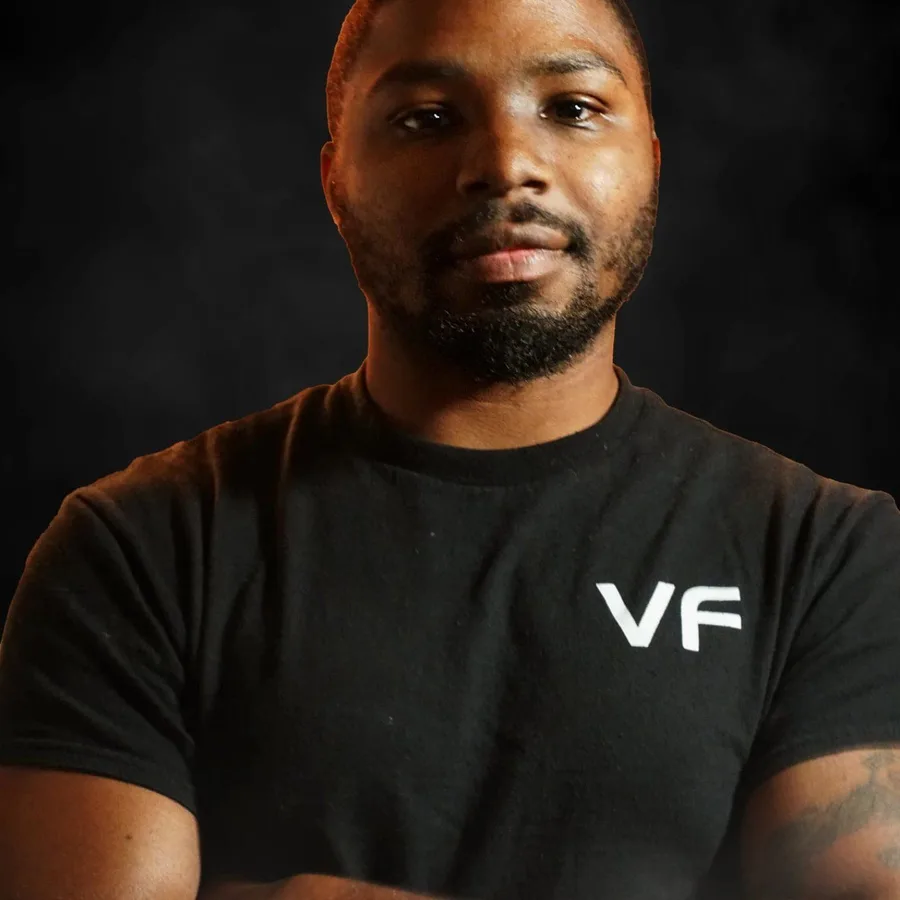
Kristoff "Kris" Warsaw
Kris is the owner and head trainer at Versed Fitness, training clients in their own homes across Baltimore, Towson and Pikesville. He specializes in working with people whose joint pain has made ordinary exercise feel impossible.