Many people avoid exercise because they are afraid it will make their pain worse. It is the most understandable instinct there is, and it is backwards. Properly designed movement is one of the most effective things you can do to reduce chronic discomfort.
I want to be precise about that, because “just exercise” is useless advice to somebody whose knee hurts on the stairs. The word doing the work is designed.
Why movement matters
A joint is not a machine part that wears out on a fixed schedule. It is living tissue, and it depends on movement for its own maintenance. Cartilage has no blood supply of its own. It gets nutrients from the fluid inside the joint, and that fluid moves when the joint moves.
So a joint that is rested completely is not being protected. It is being starved. That is why people who stop moving because it hurts usually find that after a few months it hurts more, not less.
Strengthening the supporting muscles
Your knee does not carry your body weight on its own, and it was never meant to. The muscles around it share the load: glutes, hamstrings, quads. When those are strong, they absorb force before it reaches the joint. When they are weak, the joint takes what the muscles did not.
Most knee pain I see is not a knee problem. It is a hip problem that the knee is paying for.
This is the single biggest lever, and it is why a program that is all stretching and walking tends to stall.
Improving flexibility
Flexibility matters, but as a partner to strength rather than a substitute for it. Range you cannot control is not useful range. The goal is a joint that moves freely through the range you can actually hold under load, which means the two are trained together.
Better posture
Most back pain in desk workers is a loading problem, not a damage problem. Hours in one position shortens some tissue and switches other tissue off, and the spine ends up carrying what the hips and core stopped carrying. Training the pattern changes the default, and the default is what you spend all day in.
Reduced inflammation
Regular moderate exercise lowers systemic inflammation. That matters for joints specifically, because inflammation is a large part of what turns a stiff joint into a painful one. It also compounds with body composition: less mass to carry means less load through the joint on every step.
Long-term pain management
The aim is not a good week. It is a body that tolerates your life without negotiating with you about it. That comes from consistency at a level you can sustain, not from intensity you can hold for eleven days.
- Start below what you think you can handle. You can always add.
- Mild muscle discomfort is fine. Sharp pain in the joint is a signal to change the movement, not to push on.
- Two to three sessions a week beats five sessions for two weeks and then nothing.
- Judge it at four weeks. Strength is quiet before it is obvious.
Where to start
The right exercises can help you move with greater confidence while reducing pain over time. A structured, personalized approach is the safest path to lasting results, and personalized is the operative word: the program has to start from the joints you actually have.
That is what I do, in your own home, across Baltimore, Towson and Pikesville. book a free discovery call and we will build the version of this that fits you.
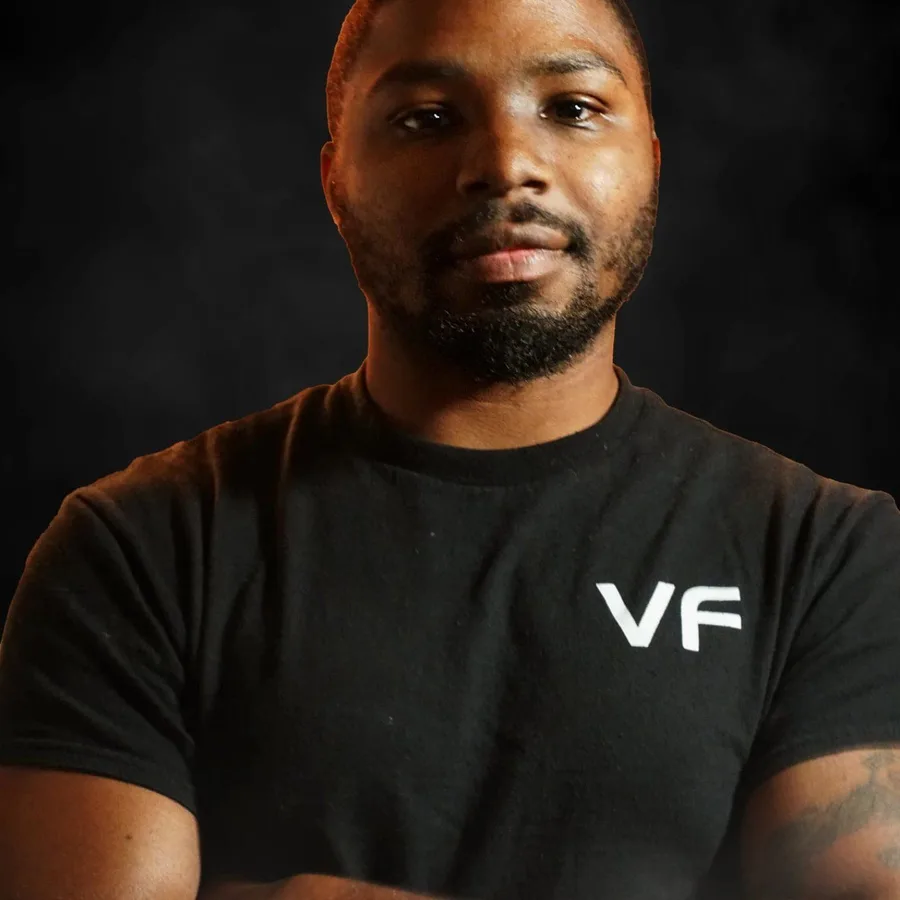
Written by
Kristoff "Kris" Warsaw
Kris is the owner and head trainer at Versed Fitness, training clients in their own homes across Baltimore, Towson and Pikesville. He specializes in working with people whose joint pain has made ordinary exercise feel impossible.