Want Kris to look at your own situation? The first call is free and takes 20 minutes.
You can, and should, exercise with arthritis. The CDC says physical activity can help people with arthritis reduce joint pain and improve function and mood. Choose low-impact activities such as walking, cycling, swimming or tai chi, strengthen the muscles around sore joints, start slowly, and scale back on flare-up days rather than stopping.
Is it safe to exercise with arthritis?
Yes. The CDC states plainly that physical activity is safe for people with arthritis (CDC, About Physical Activity and Arthritis). It also says that after you start, some pain, stiffness or swelling is normal, and that it should get better over time. If it does not, talk to your doctor.
It is natural to want to protect a sore joint by moving it less. However, joints are built to move, and strong muscles around a joint take load off it. That is why the right exercise with arthritis usually helps rather than hurts.
What is the best exercise with arthritis?
The CDC lists these as joint-friendly activities that put little or no stress on the joints:
- Brisk walking
- Cycling
- Swimming and water exercise
- Tai chi
- Dancing
- Light gardening
For strength work, use weights or resistance bands that do not cause joint pain, and add difficulty in small steps.
How do you start to exercise with arthritis?
- Warm up for five to ten minutes with gentle movement first.
- Start with short sessions. The CDC notes that just 5 or 10 minutes at a time is beneficial.
- Strengthen the muscles around the joint, especially the thighs and hips for knees and hips.
- Move each joint through its comfortable range every day.
- A check I use with clients: if a joint is more sore two hours after a session than before it, do a little less next time.
Four exercises to try at home if you have arthritis
Seated knee extension
- Sit tall in a chair.
- Straighten one knee until the leg is level, hold for two seconds, lower slowly.
- Ten on each leg, two sets.
Sit-to-stand
- Stand up from a sturdy chair and sit back down slowly.
- Use a higher seat or a cushion if a normal chair is too much.
- Eight reps, two sets.
Heel raises
- Hold a counter and rise onto your toes, then lower slowly.
- Twelve reps, two sets.
Wall slides for the shoulders
- Stand facing a wall with your forearms on it.
- Slide your arms up as far as is comfortable, then back down.
- Ten reps.
What should you do on a flare-up day?
Scale back rather than stopping, because a few gentle days keep you moving. Swap strength work for gentle range-of-motion movements, keep walks short, and let the flare settle before you build back up.
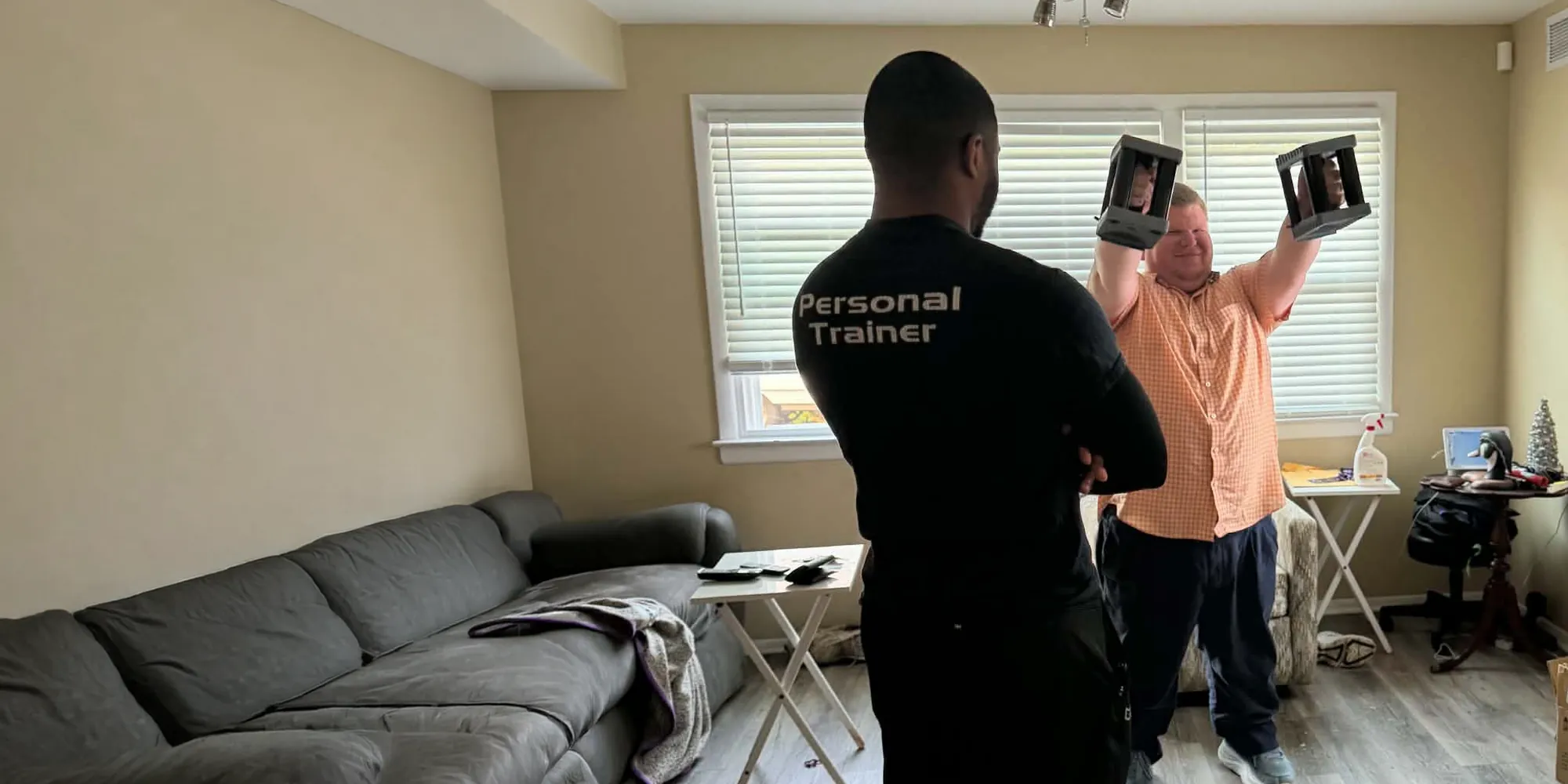
I’m Kris Warsaw, an ACE Certified Personal Trainer and Functional Training Specialist. I train adults at home across Baltimore, Towson and Pikesville, and many of my newest clients are in their 70s. Arthritis looks different from person to person, so I build each plan around the joints that are bothering you.
Check with your doctor before starting anything new, especially if you have a heart condition, have had recent surgery or a fall, or get dizzy or short of breath with effort.
Frequently asked questions
Should I exercise if my joints hurt?
Some soreness when you start is normal, according to the CDC, and it should ease over time. Sharp pain, or pain that keeps getting worse, is a reason to stop and talk to your doctor.
Is walking good for knee arthritis?
Yes. Brisk walking is on the CDC’s list of joint-friendly activities. Start with short walks on flat ground and build the time up gradually.
Should I see a physical therapist before exercising with arthritis?
The CDC notes that people with arthritis may benefit from seeing a physical therapist when they begin. It is especially worth it if a joint has been replaced or is badly affected.
If you would like a plan built around your body and your home, that is exactly what I do. Book a free 20-minute discovery call, or read more about training in your 60s, 70s and beyond. Next in this series: losing weight after 70.
Sources
Written by
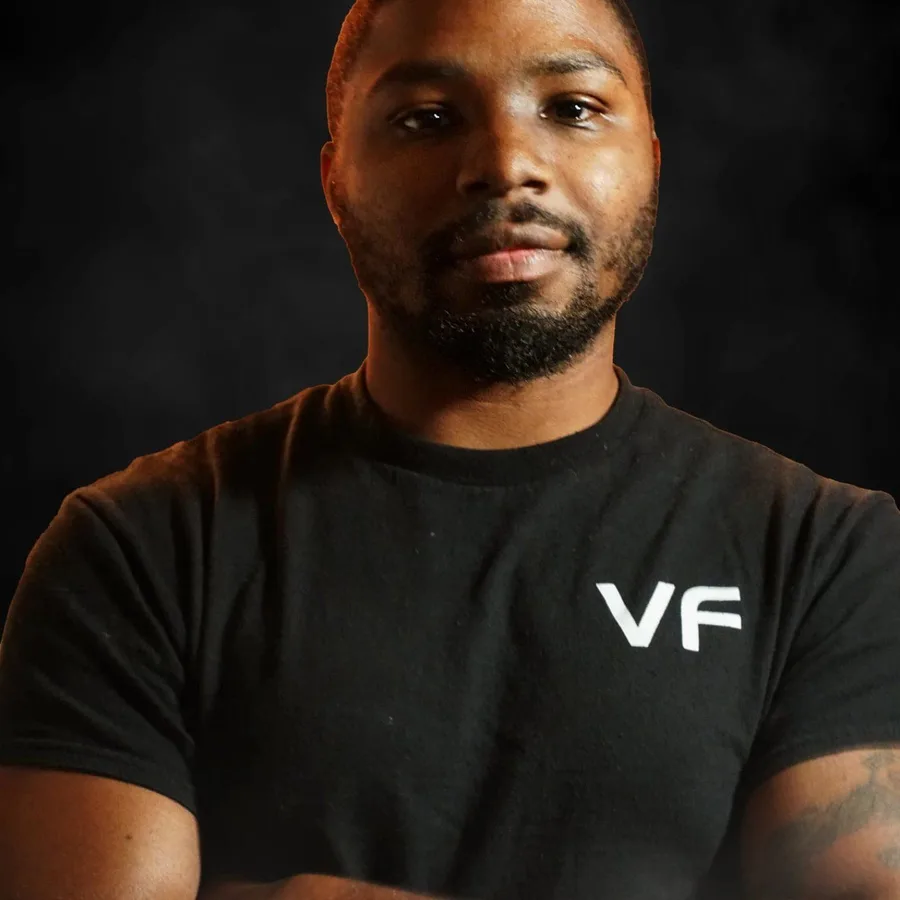
Kristoff "Kris" Warsaw
Kris is the owner and head trainer at Versed Fitness, training clients in their own homes across Baltimore, Towson and Pikesville. He specializes in working with people whose joint pain has made ordinary exercise feel impossible.