Want Kris to look at your own situation? The first call is free and takes 20 minutes.
There is no single best exercise after 70. The best plan combines four types: strength work twice a week, walking or other moderate activity adding up to about 150 minutes a week, balance exercises, and a few minutes of mobility most days. The right mix is the one you can do safely and keep doing.
What does the CDC recommend for adults over 65?
Every week, the CDC says adults 65 and older need at least 150 minutes of moderate-intensity activity, such as 30 minutes a day, 5 days a week; muscle-strengthening activities on at least 2 days; and activities to improve balance (CDC, Older Adult Activity: An Overview). That is the whole recipe. In other words, exercise after 70 does not need a gym, just a plan.
What are the four types of exercise after 70?
- Strength: keeps you able to get up, carry and climb. Two days a week, because muscle is what you lose first.
- Walking or other easy cardio: keeps your heart, lungs and mood in good shape. Most days.
- Balance: your best protection against falls. Even so, a few minutes, a few days a week, is enough.
- Mobility: keeps your joints moving through their full range. A few minutes most days.
What does a good week of exercise after 70 look like?
- Monday: strength, 20 to 30 minutes
- Tuesday: a 30-minute walk
- Wednesday: balance and mobility, 15 minutes, plus a walk
- Thursday: strength, 20 to 30 minutes
- Friday: a 30-minute walk
- Weekend: something you enjoy that keeps you moving, such as gardening or a longer walk
Two balance exercises you can do today
For example, the CDC gives walking heel-to-toe and standing up from a seated position as balance activities. Here is how I teach them, because balance is the part most people skip.
Heel-to-toe walk along the counter
- Walk slowly along the kitchen counter, placing one heel directly in front of the other toes.
- Keep a hand on the counter.
- Ten steps, there and back, twice.
Supported single-leg stand
- Stand at the counter, holding it with one or both hands.
- Lift one foot an inch off the floor and hold for up to 20 seconds.
- Switch legs, three on each side.
- As it gets easier, hold on with one finger, then none.
What if you can’t do all of it yet?
Start where you are. The CDC’s advice is to be as active as your abilities and conditions allow, because some activity is better than none, and short bouts of 5 or 10 minutes add up. Pick one thing from the list and do it twice this week. Then, once it feels easy, add the next.
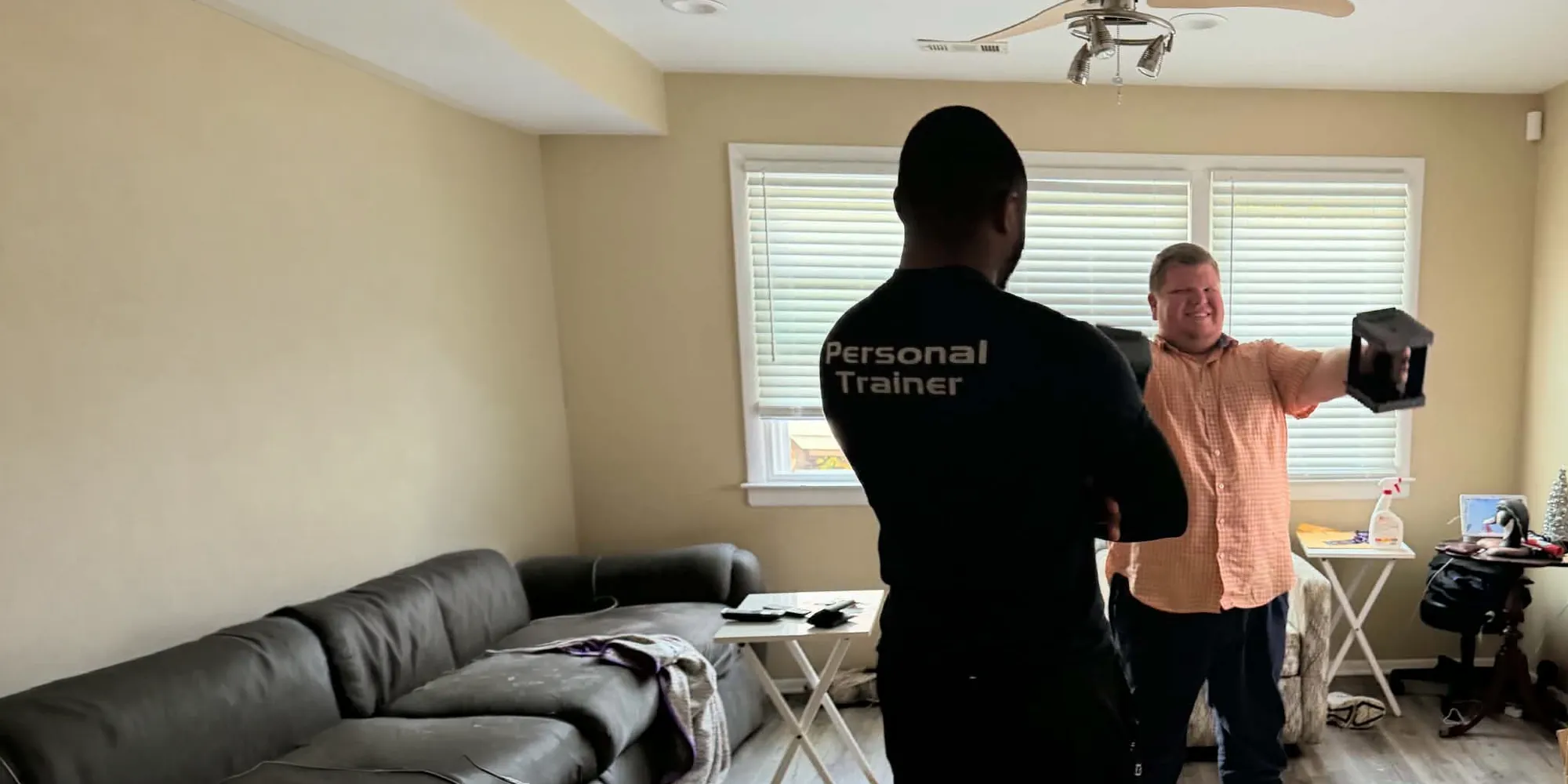
I’m Kris Warsaw, an ACE Certified Personal Trainer and Functional Training Specialist. I train adults at home across Baltimore, Towson and Pikesville, and many of my newest clients are in their 70s. Most of them start with one strength session and one walk a week. After that, we build up together.
Check with your doctor before starting anything new, especially if you have a heart condition, have had recent surgery or a fall, or get dizzy or short of breath with effort.
Frequently asked questions
Is walking enough exercise after 70?
Walking covers the aerobic part of the CDC’s recommendation, but not the strength or balance parts. Add two short strength sessions and a few minutes of balance work for the full benefit.
How long should a workout be after 70?
Twenty to thirty minutes is plenty for a strength session. Walks can be broken into shorter bouts of 5 or 10 minutes; they all count toward the 150 minutes a week.
Should I see a doctor before starting exercise after 70?
It is a good idea, especially if you have a heart condition, diabetes, recent surgery or problems with balance. Your doctor can tell you anything to avoid.
If you would like a plan built around your body and your home, that is exactly what I do. Book a free 20-minute discovery call, or read more about training in your 60s, 70s and beyond. Next in this series: how to exercise with arthritis.
Sources
Written by
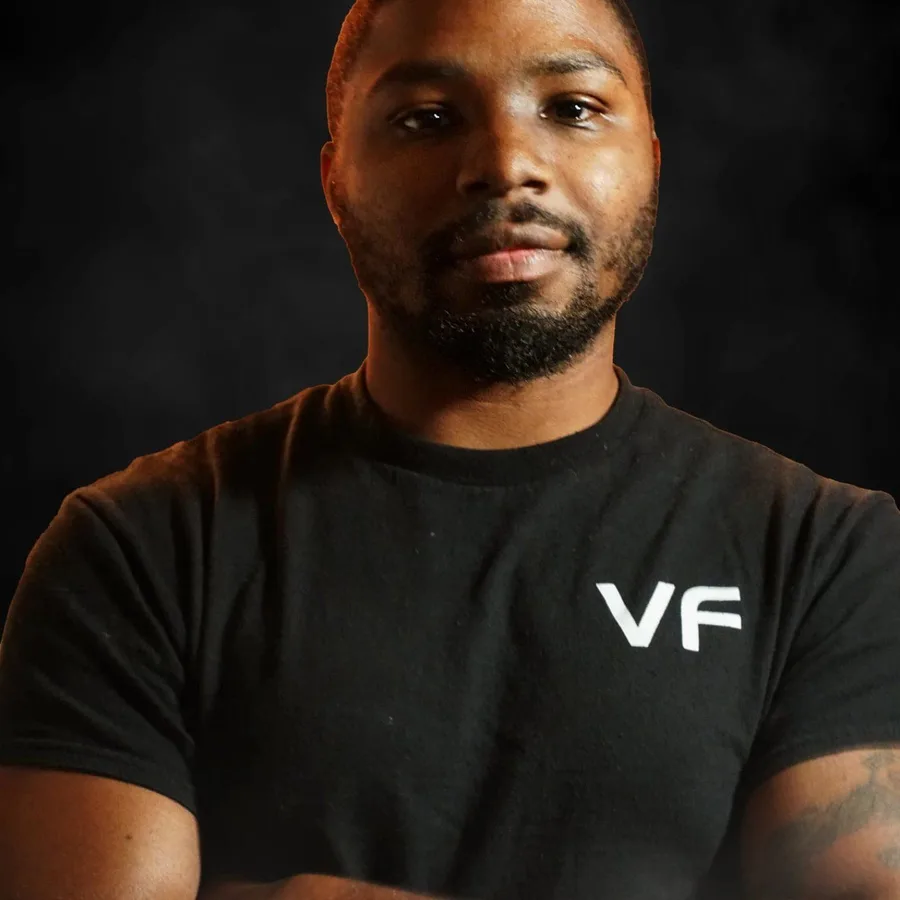
Kristoff "Kris" Warsaw
Kris is the owner and head trainer at Versed Fitness, training clients in their own homes across Baltimore, Towson and Pikesville. He specializes in working with people whose joint pain has made ordinary exercise feel impossible.